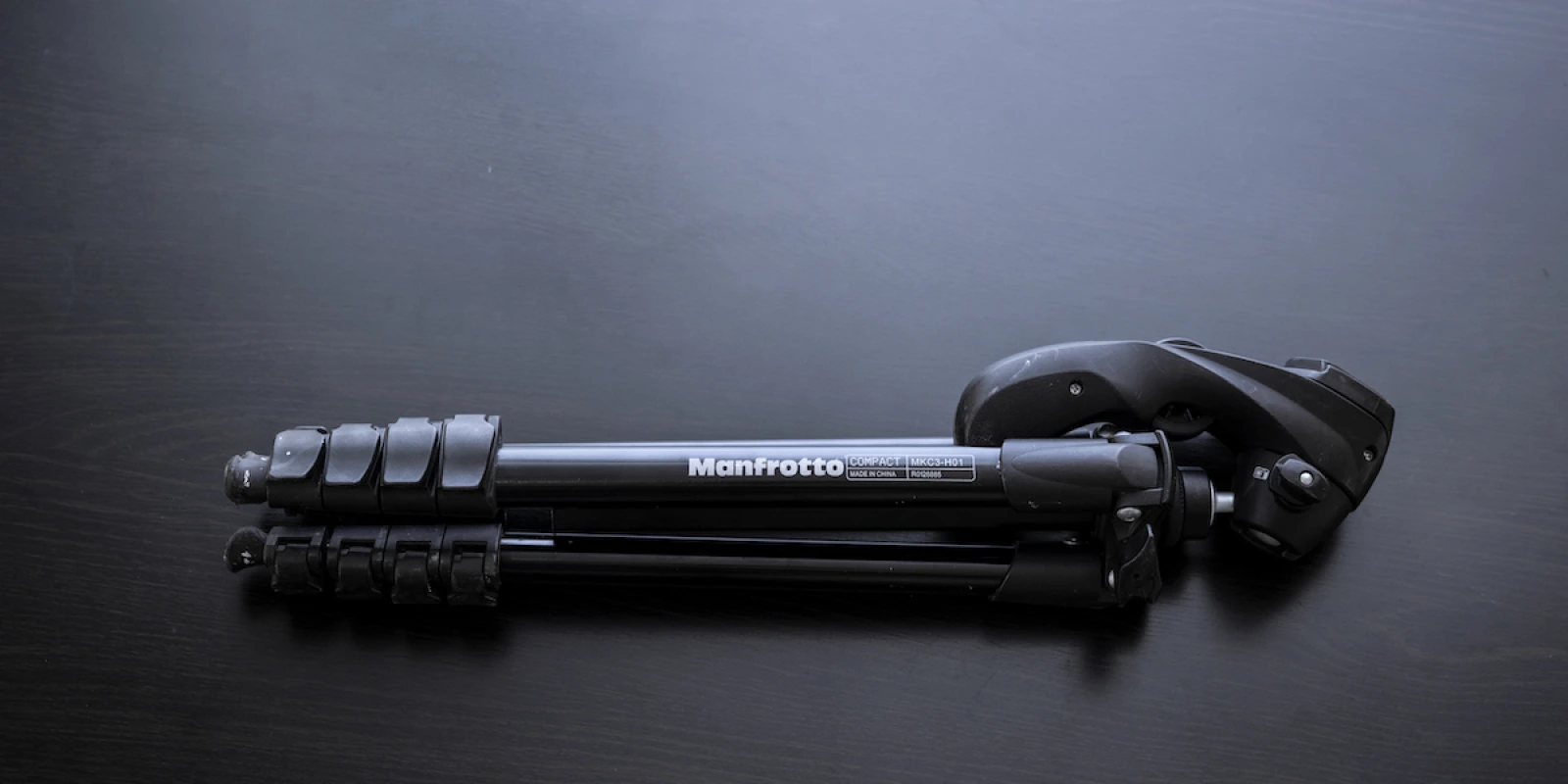
Manfrotto compact tripod: review after years of use
In my 20 years of working as a creative professional across web design, video and professional photography I have learned the most important lesson constraint: you rarely need the most expensive gear in the room to make an impact. You just need equipment that survives the journey. You will find many reviews around on blogs or visual platforms often showcasing the unboxing of pristine equipment. This text takes a different path. This is a review that analyzes a mainstream product (the Manfrotto Compact tripod) after years of intensive field use.
If you are new to night photography or long-exposure work, having a stable camera is step one. .*
Below, I’ll break down exactly why this specific, inexpensive tripod has remained a staple in my light-painting toolkit, and whether it’s the right choice for you.
Table of Contents
- Why This Tripod for Light Painting?
- Field Testing: Surviving the Elements
- Pros and Cons Overview
- Final Verdict & Alternatives
"The best tripod is the one you actually want to carry with you." — Classic photography proverb .*
Why This Tripod for Light Painting?
In my Beginner's Guide to Light Painting Photography, I always mention that a light painter must have a good tripod. It seems trivial, but when it comes to photographing in long exposure, you need a reliable, comfortable to use, and lightweight tool.
If you're buying this tripod for night photography, you are making a smart initial investment. My first choice years ago was the Manfrotto Compact, currently updated, improved and renamed the Compact Action. The Manfrotto Compact series stands out for having an incredible price-to-quality ratio. It is very cheap (try finding a similar branded tripod for less than 100 euros), exceptionally lightweight, and remarkably robust.
If you are looking to learn more about how I use this gear in the field, I encourage you to check out my Light-Painting Experiences and Workshops—or naturally, join my newsletter (you should see a small prompt to subscribe while reading my articles!).
Field Testing: Surviving the Elements
The best tripod for the "light" Light Painter
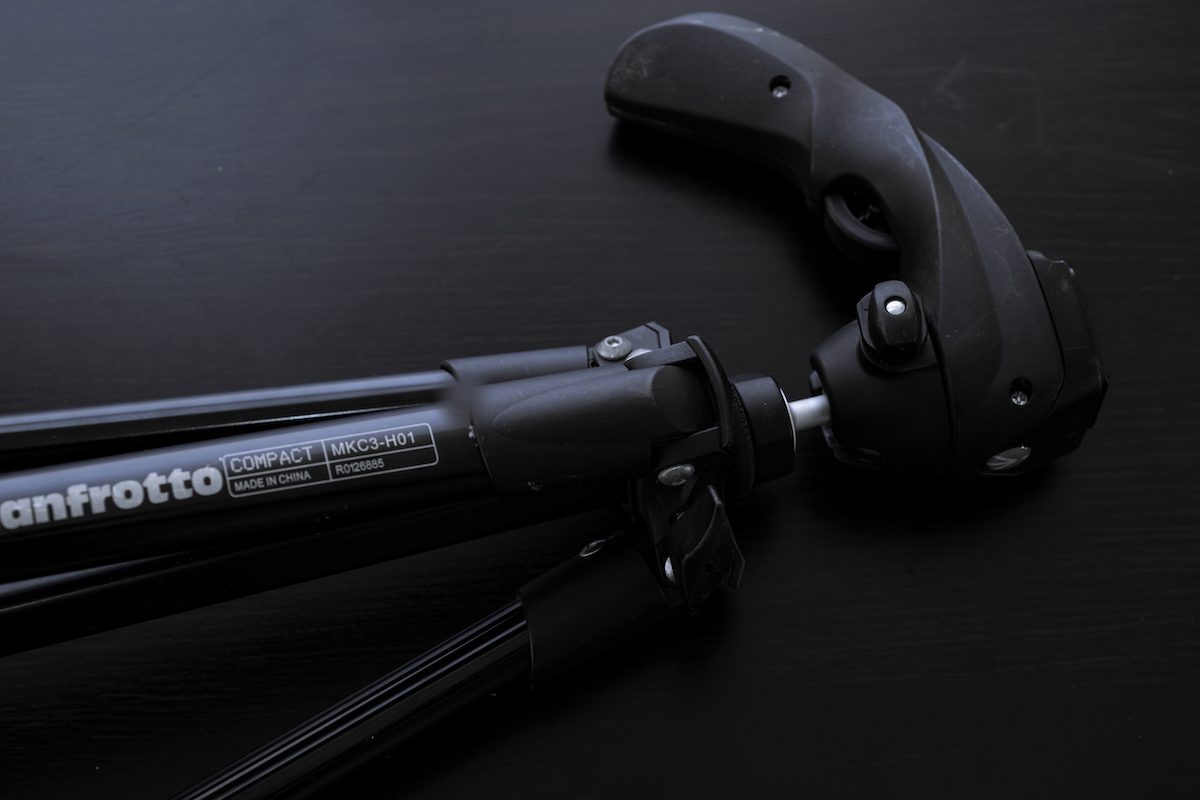
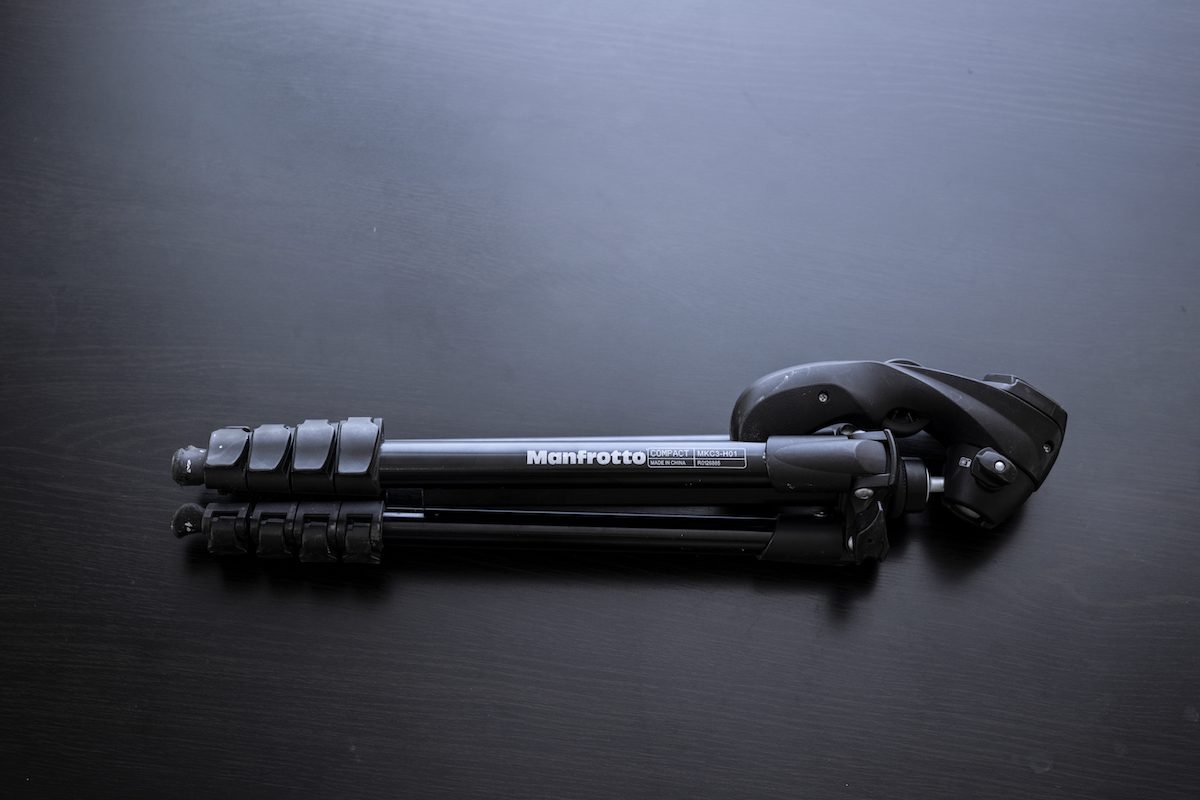 It is the ideal tripod for beginners and enthusiasts who approach photography. Equipped with a particular joystick head and a single wheel, it allows you to fix the camera very quickly in the dark.
The Manfrotto Compact that I used (and still own) has been dragged truly everywhere, in all weather conditions: heavy rain, harsh coastal wind, snow, and hellish heat in the sun. It survived without taking any significant damage thanks to the durable synthetic polymers and aluminum it is made of. (Example: Dragging this tripod through the sandy, salty air of the Salento coast during my outdoor shooting experiences without it seizing up). A little rust appeared only on a couple of screws, but that is perfectly normal after years of heavy use. The wheel that blocks the head is not surgically precise, but it is extremely robust.
Wait! Before you buy gear, are you sure your camera is set up correctly? Read my guide on 5 Different Camera Settings for Light Painting.
It does not have a bubble level (modern cameras have them integrated digitally anyway), and it loses a bit of stability when the legs are fully extended—but which lightweight model doesn't? Interestingly, the central column is made of metal and can be turned upside down for more comfortable macro shootings at ground level. Just pull it out and back it up.
The head is unique, featuring a switch that allows you to change from video to photo mode. If you are wondering: yes, it can be tilted 90 degrees for vertical portraits. .*
Manfrotto Compact: Pros and Cons Overview
If you want a clear, professional opinion on purchasing the Manfrotto Compact tripod, my answer is: yes, absolutely. I have used it for years and it has never given me any critical failures. Now I have switched to heavier carbon models for extreme light-painting conditions, but I still use this regularly as a second tripod for video shooting and quick location scouting.
Let's break down the pros and cons:
Pros
- Highly Portable: Light and small when totally closed (just 45 cm!).
- Easy to use: One adjustment wheel instead of three separate axes. Fantastic for operating in the complete dark.
- Budget-Friendly: Inexpensive, making it a great entry point for getting started safely.
- Durable: The combination of treated aluminum and robust plastic means it resists corrosion incredibly well.
Cons
- Material Perception: Plastic materials won't win you any "cool points" at the photography course where everyone has carbon fiber.
- Proprietary Plate: The head plate is unique to this series. If you lose it, you have to buy the specific original replacement.
- Payload Limits: It is not very stable with very heavy camera bodies combined with heavy telephoto lenses in windy conditions.
Final Verdict & Alternatives
If you are looking for an affordable, durable tripod to kickstart your long-exposure journey, this is it.
Buy the Manfrotto Compact Tripod on Amazon:
Alternative Tripods (For those with heavier setups): These models are slightly more advanced but remain within a reasonable budget structure.