Choosing a safe location and night photography safety tips
Part of a multi-page article: Light-painting for Complete Beginners: Your First Night Out with Light
Article Sections
- Essential Gear for Your First light-painting Session (Beginner's Kit)
- Choosing a safe location and night photography safety tips
- Camera settings for beginner light-painting and long exposure
- Easy light-painting shape tips to start your journey
Now that you know the basic gear required to start we must discuss where and how to shoot safely. Choosing the right location for your first light-painting session is crucial for both personal safety and artistic success. You want somewhere dark enough to see the light trails clearly but also somewhere you feel comfortable when practicing your night photography skills.
Table of Contents
Finding your perfect beginner spot
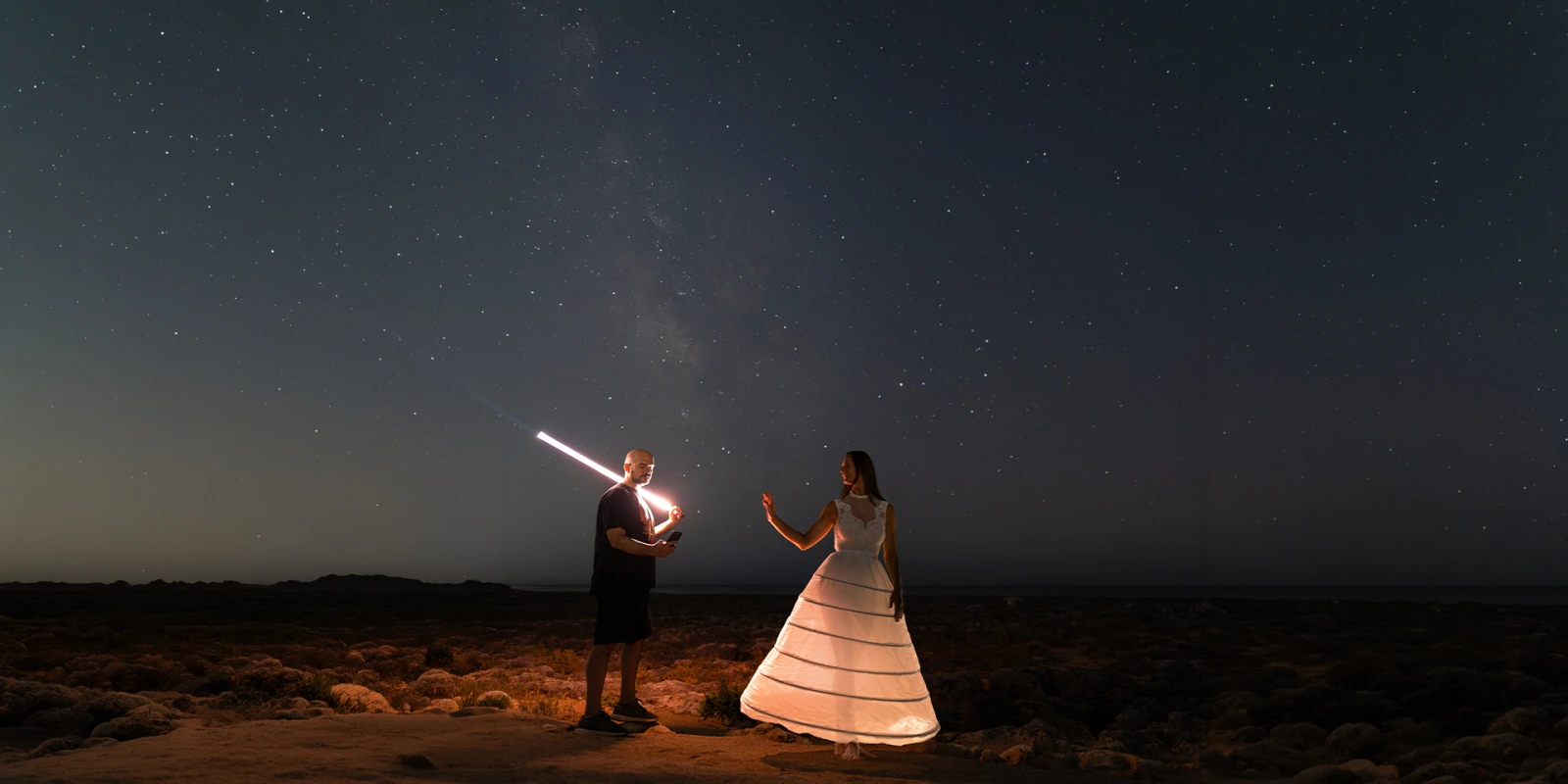
My primary artistic focus involves moving outdoors to create contextual portraits that interact with the surrounding territory. Finding the right spot requires balancing darkness with accessibility.
- Start close to home: Your backyard or a quiet nearby park is ideal. Familiarity helps you focus on the technique rather than worrying about the surroundings.
- Avoid excessive light pollution: Streetlights and even a bright moon can make it harder to capture crisp light trails. Look for a spot away from direct artificial light sources.
- Choose flat ground: This minimizes tripping hazards in the dark. You will be moving around with your light source so navigating uneven terrain is dangerous.
- Consider your background: Even though you are painting with light the static background will remain visible in your long exposure. A simple natural background helps your light art stand out (Example: scouting a flat clearing near the Apulian coastline during the day before bringing my portrait subject there at night).
Essential night photography tips
Going out at night requires fundamental safety considerations whether you are light-painting or just shooting the stars.
- Go with a friend: It is always safer and more enjoyable to have company.
- Tell someone where you are: Let a family member know your exact location and estimated return time.
- Scout the location first: Visit the location during the day to check for obstacles or hazards you might not see in the dark (Statistic: roughly 60% of accidental equipment damage in night photography occurs due to unseen tripping hazards).
- Bring a tactical flashlight: Use a separate bright flashlight for getting around safely while the camera shutter is closed.
- Check the weather: Wind can shake your tripod while cold weather requires warm clothing.
- Bring extra batteries: Long exposures drain batteries much faster than normal daytime shooting.
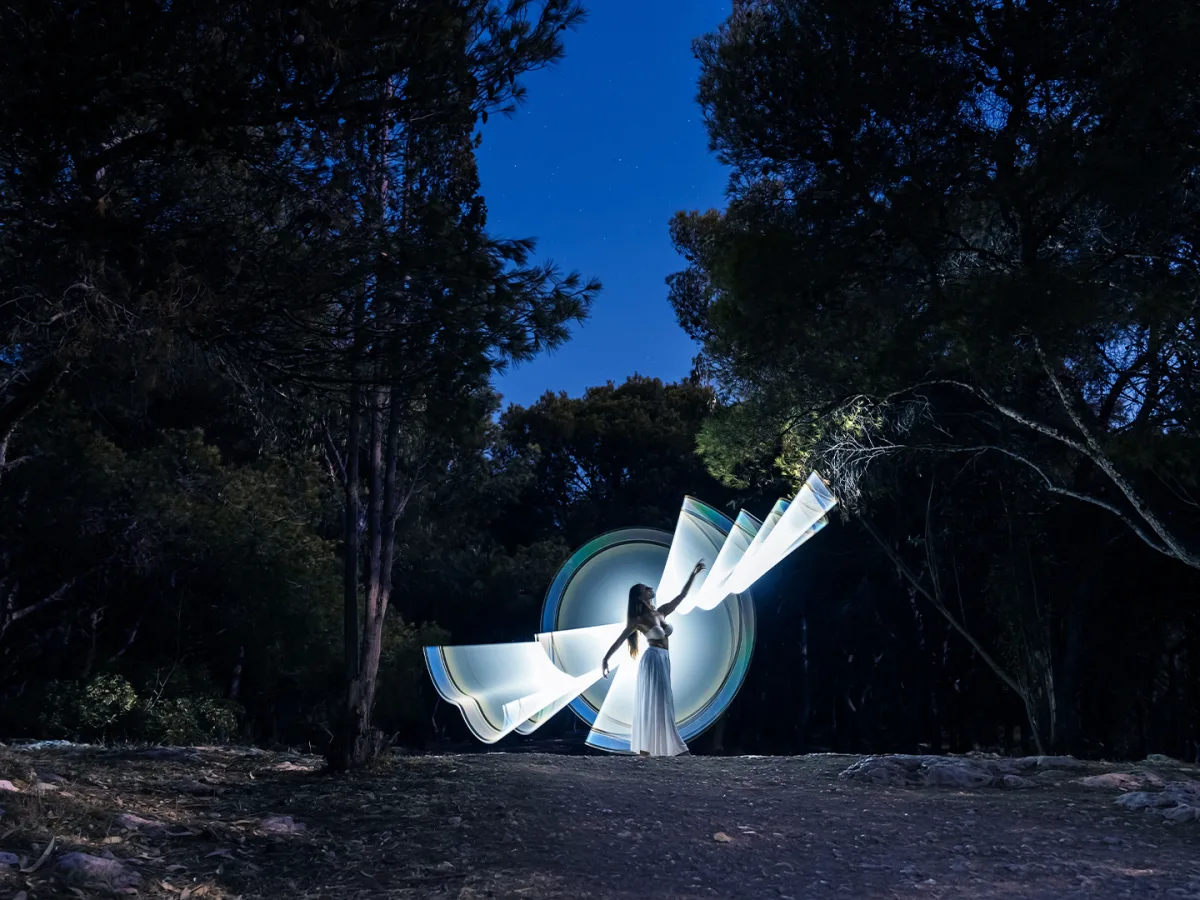
Being prepared allows you to relax and focus entirely on enriching the human figure with light.