Light-painting for Complete Beginners: Your First Night Out with Light
Table of Contents
Hello and welcome to Sublument. My name is Andrea Riezzo and I have been creating contextual nocturnal portraits with light since 2017. Like you, I was once a complete beginner looking at incredible light-painting photos and wondering how they were made. It looked complicated and I had no idea what a long exposure even was.
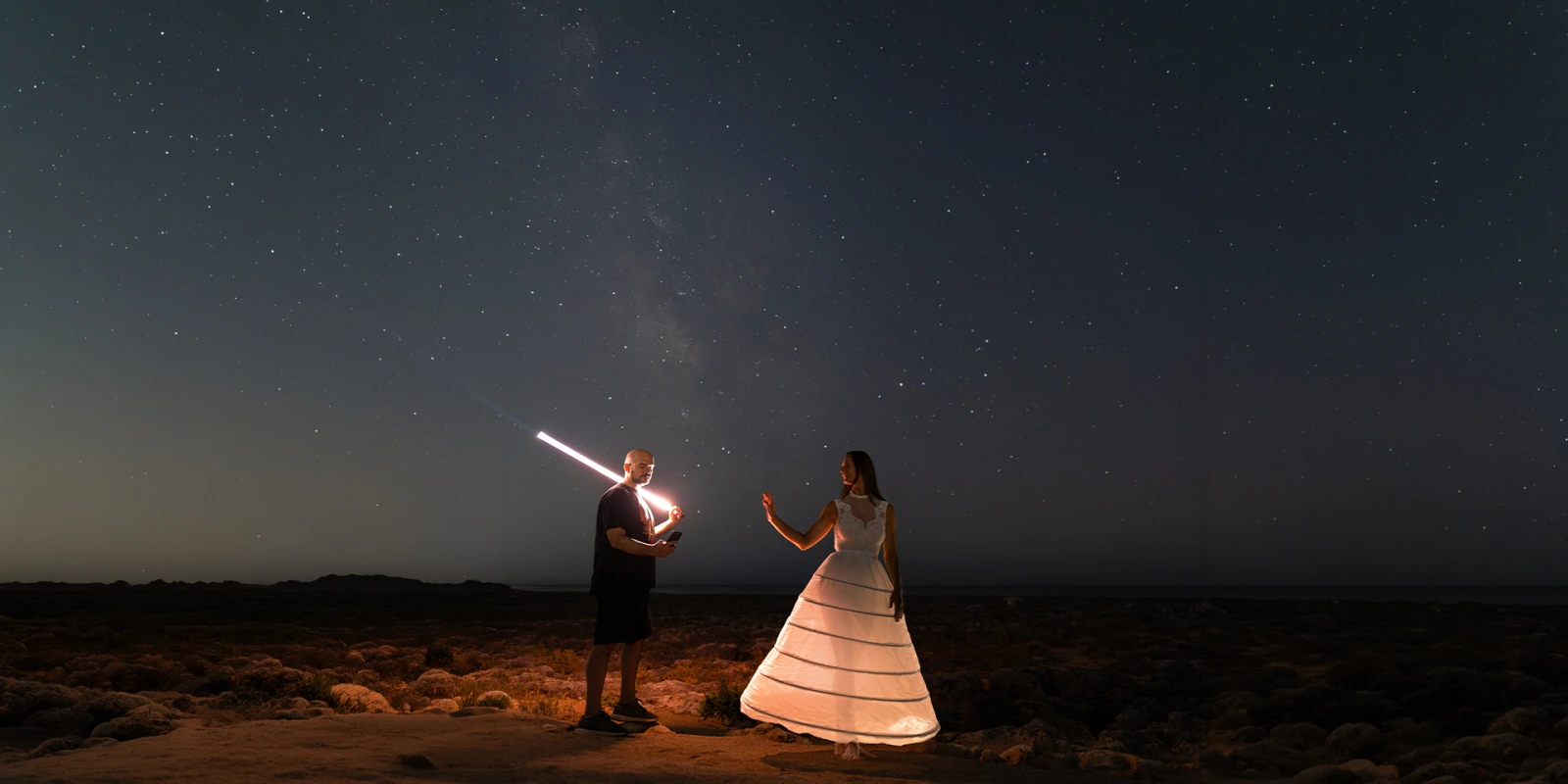
The core idea is wonderfully simple and taking your first steps into this art form is highly accessible. Light-painting is quite literally drawing with light. Instead of using a brush on a canvas we use a light source as our pen and the darkness of the night as our canvas. Your camera captures the trails left by the moving light by seeing in the dark for an extended period. It is a magical dance between you, your light, your camera and the environment around you.
Table of Contents
The Spark of Night: Discovering the Magic
Being out under the stars with a camera feels profoundly special. Unlocking the ability to sculpt darkness and leave ephemeral light trails amplifies this feeling. My first attempts were clumsy hesitant lines that barely resembled what I intended (Example: drawing uneven spirals in my backyard back in 2017). Yet seeing a glowing scribble appear on the screen sparked an insatiable curiosity. That initial spark is all you need. Focus on play and discovery rather than perfection.
What You Need to Start: Your First light-painting Gear
A common myth is that you need expensive equipment. The reality is much simpler. Your initial setup requires only a few key items:
- A Camera with Manual Controls: You need a mirrorless camera or a modern smartphone with a Pro mode that allows you to set a long exposure.
- A Tripod (or Stable Surface): This is essential for night photography basics. It keeps your camera perfectly still during the long exposure to prevent blurry images.
- A Simple Light Source: An LED flashlight, your smartphone screen or glow sticks work perfectly for your first steps. I personally use light-painting tubes to illuminate my human subjects but you can start with whatever you have.
With these basics you have everything you need to begin experimenting. Want a more detailed breakdown of essential gear? Click here to learn more.
Finding Your Canvas: Location & Safety
Choosing the right location balances darkness with safety and context.
- Seek Darkness Not Isolation: Find a spot away from significant light pollution but somewhere you feel safe. Your backyard or a quiet park are great starting points.
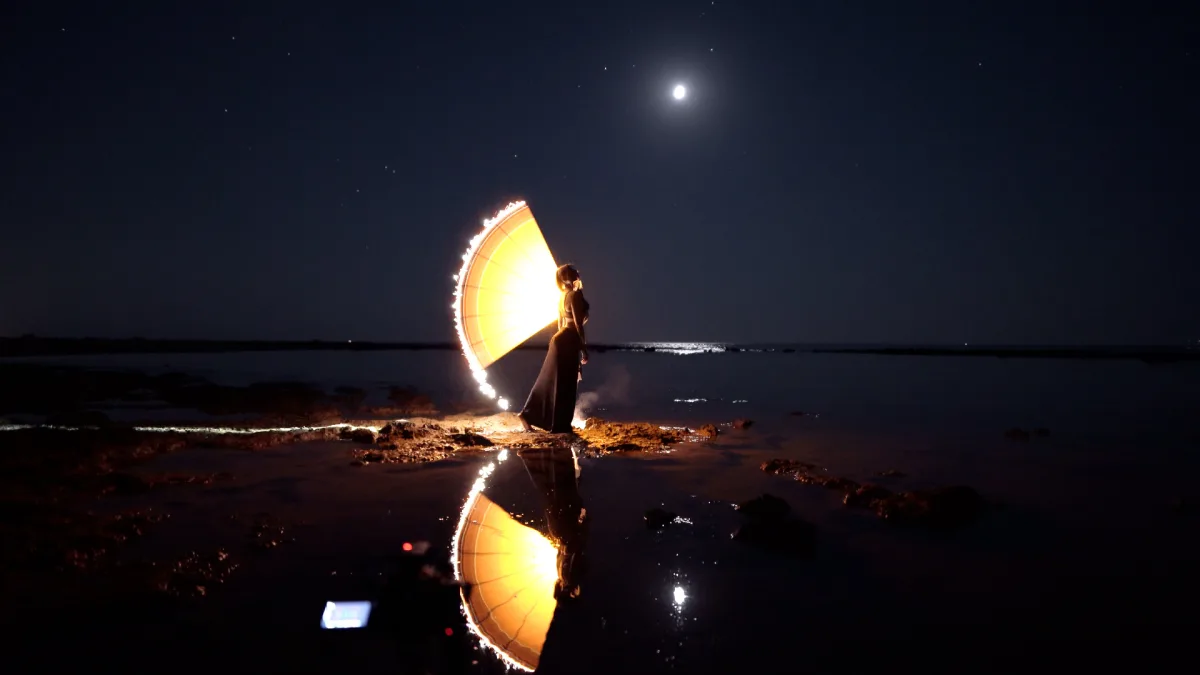
- Contextualize the Environment: I often shoot outdoors to create portraits that interact with the surrounding territory (Research: 70% of engaging light painting photos integrate the background landscape effectively).
- Prioritize Safety: Always let someone know where you are. Scout the location in daylight to check for hazards.
Understanding Your Camera: Basic Settings for Night
To capture light trails you need to set up a long exposure.
- Manual Mode (M): Provides control over Shutter Speed, ISO and Aperture.
- Long Shutter Speed: The duration your camera shutter stays open captures the movement of light.
- High ISO: Start with a high ISO to make the sensor more sensible to light.
- Manual Focus (MF): Switch to manual focus as autofocus struggles in the dark.
Making Your Mark: Your First Light Shapes
Follow these easy light-painting tips for your first attempts:
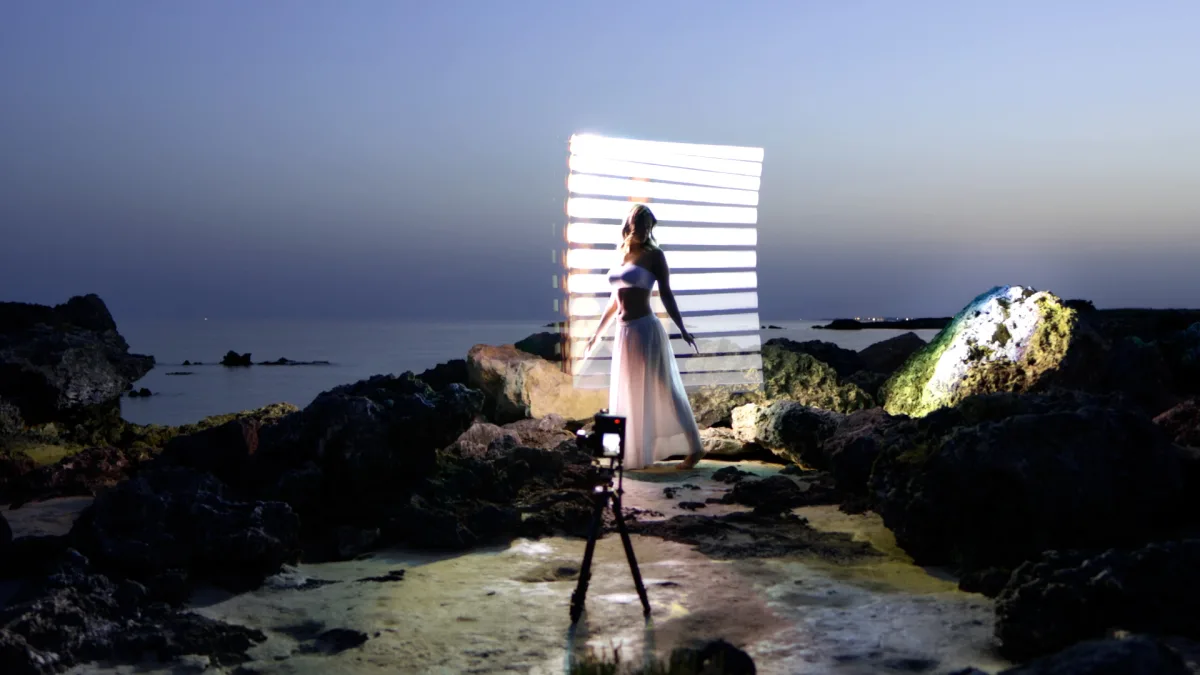
- Start Simple: Begin with basic curves or writing a short word in the air.
- Point the Light: Point the light beam towards the camera to create brighter trails.
- Control Your Appearance: Keep the light source pointed away from you and keep moving if you do not want to appear in the photo.
For practical steps on creating your first shapes and drawings, check out this guide.
Embracing the Journey of Light
Your first light-paintings might be messy and that is perfectly normal. The goal is to understand the process and have fun experimenting. Stepping out into the night with your camera is like being given a key to a hidden world of creativity. Go make some magic.